

































Important Notice
If you are a doctor, dietitian, nurse, pharmacist, then click on I’m a healthcare professional to proceed. For persons other than Health care professionals, we request you to visit www.danone.in.

Breastfeeding and decreased risk of childhood asthma This study objective was to assess the link between breastfeeding and the risk of asthma and asthma severity…

Good nutrition during infancy and early childhood is vital for healthy brain development and physical growth. Fatty acids in breast milk and infant formulas such…

Influence Of DHA And AA On Neurological And Visual Development Of Infants DHA (docosahexaenoic acid) and AA (arachidonic acid) are components of lipids in the…

Ferrous Sulphate: The preferred iron salt for managing Iron Deficiency Anemia Iron deficiency anemia (IDA) remains a significant public health concern among infants and children…

This clinical summary explains and demonstrates the impact of environmental enteropathy on the reduced linear growth in preschool-age children. Background Stunting, a reduced…
Background Prebiotics are non-digestible dietary elements that benefit the host by selectively increasing the development and activity of good bacteria in the gastrointestinal system,…

Key takeaways Infant gut microflora is pivotal in overall health and immunity. Early intake patterns of carbohydrates, energy, protein, fat, and fibers modulate the gut…
Key takeaways Infant gut microflora is pivotal in overall health and immunity. Early intake patterns of carbohydrates, energy, protein, fat, and fibers modulate the gut…

Key takeaways Nutrition is a critical factor in a child’s overall development. The main goal of early nutrition is to lay the groundwork for the…
Key takeaways Nutrition is a critical factor in a child’s overall development. The main goal of early nutrition is to lay the groundwork for the…

Highlights : Exposing a child to a group of children in daycare or school predisposes them to the infections prevailing in the group. Respiratory…
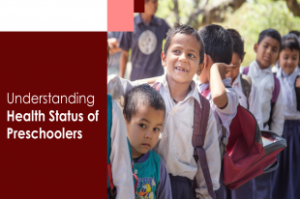
Highlights Immune function, nutrition, and infections are interlinked and can influence one another. Acute respiratory infections, anemia, and diarrhea are some of the conditions…
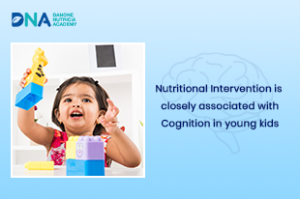
Highlights : Undernutrition in preschool kids (3-to-5 years old) can impair their cognitive skills. A combined nutritional and psychosocial intervention can significantly improve the cognitive…

Preschool children’s health outcomes are directly linked to the quality of their diet; however, there is certainlysignificant scope for modification in the dietary intake of…

Highlights The immune system can be influenced by various macro- and micronutrients. Foods rich in micronutrients, like vitamin C, should be offered to…

It is important to understand the influence of external environment on immune and metabolic programming; diet-induced pathways are crucial in these processes that determine the…

Nutritional ingredients such as specific pre and probiotics influence the immune system directly and indirectly via modulation of the gut microbiota. Prebiotics are non-digestible dietary…

Gut microflora has a critical role in providing immunity, improved digestion, and resistance to pathogenic infections.1 The gut microflora differs in composition and diversity among…

Prebiotics are non-digestible food ingredients that selectively trigger the growth and activity of microbes in the gut that are linked with the good health of…

Prebiotics serve as nutrient sources for beneficial microbiota in the host and have the potential to modulate host-microbial ecosystems.1 Most studies have focused on the…

Synopsis Infants are more susceptible to infection due to immature immune system. Introduction of age-appropriate complementary foods is crucial for the proper development of an…

Key takeaways GOS/FOS mixture can mimic the immunomodulatory function of human milk oligosaccharides (HMOs)1. GOS/FOS mixture has shown efficacy in reducing infections and allergic incidences2.…

Introduction Immature immunity makes an infant vulnerable to infections.1 Prebiotic supplementation enhances the development of the infant immune system.2,3 This infographic answers how prebiotic supplementation…

Key takeaways An Infant’s diet plays an important role in establishing gut microbiota.1 Infants on prebiotics containing diet have the fecal microbiota composition similar to…

Key takeaways1 GOS/FOS supplemented feed exerts a beneficial effect on local immunity. This effect can reduce the risk of infections and allergies in infants in…
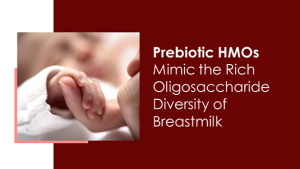
Highlights Human milk oligosaccharides (HMOs) in breastmilk show great variability in terms of short- and long-chain oligosaccharides. The structural diversity of Prebiotic HMOs, including scGOS/lcFOS…

Key takeaways Altered microbial signature and immune dysfunction may contribute to allergic diseases in infants.1,2 Prebiotics modulate the composition of gut microbiota and have immunomodulatory…

Prebiotics is a word used to describe nutritional ingredients which includes a range of non-digestible carbohydrates. They escape digestion and pass into the colon intact…

What Are Prebiotic Dietary Fibers?1 Non-digestible dietary fibers Stimulate the growth of healthy bacteria in the colon Abbreviations FOS: Fructooligosaccharides; GOS: Galactooligosaccharides Health Benefits of…

The healthy growth and development of children is primarily influenced by their nutritional intake during their first 1000 days of life. Human milk is the…

Human milk is the ideal nutritional source for all newborns1. In addition to the macro- and micronutrients, it contains many distinct bioactive molecules that have…

Fact: Amino acid-based feed with docosahexaenoic acid (DHA) and arachidonic acid (ARA) support growth in infants and are hypoallergenic and safe. This “Journal Watch” discusses…

Abbreviations: CMA: Cow’s milk allergy; CMP: Cow milk protein; DRACMA: Diagnosis and Rationale for Action against Cow’s Milk Allergy; GI: Gastrointestinal; ESPGHAN: European Society for…

Abbreviations: AAF: Amino acid feed; BP: Blood pressure; BSACI: British Society for Allergy & Clinical Immunology; CMA: Cow’s milk allergy; CMP: Cow’s milk protein; DRACMA:…

This myth buster brings to you the key facts about cow’s milk allergy (CMA) which will help to identify and manage the symptoms effectively. Key…

Key takeaways Amino acid feed (AAF) is an alternative for non-exclusive breastfed infants who are suffering from severe cow’s milk allergy (CMA) and are intolerant…

Key takeaways Altered microbial signature and immune dysfunction may contribute to allergic diseases in infants.1,2 Prebiotics modulate the composition of gut microbiota and have immunomodulatory…

Key Takeaways: Food allergies such as CMPA deplete intestinal flora that confers immunity and tolerance towards various allergens.6 Prebiotics modulates gut microbiota and immune function…

Around 5 to 15% of infants show allergy to cow’s milk protein. Early identification and adequate treatment with the right infant feed may prevent the…
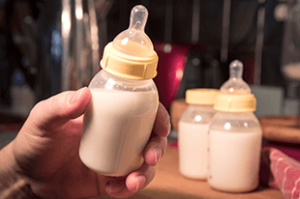
Cow’s milk protein allergy (CMPA) is a common condition in infants, often appearing within the first few months of life. It occurs when the immune…

1 out of 2 pregnant women consume <50%of the recommended protein intake Read more Reference: 1. Sharma S, Akhtar F, Singh RK, Mehra S. Dietary…

Breastfeeding provides infants with the best nutritional and emotional start for their lives. The WHO recommends exclusive breastfeeding for the first six months and continued…

Gestational Diabetes Mellitus (GDM) has been defined as “glucose tolerance of variable severity with its onset or fist recognition during pregnancy”. Pregestational diabetes is the…

Newborn nutrition is a vital part of the well-being of an infant. The period of rapid growth in infancy requires careful nutritional support to continue…

Question and Answers The answers to all the questions have been provided by Dr. Bhaskar Raju. Q1: As food allergies are increasing, what is the…

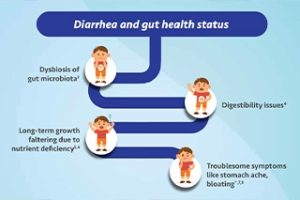
Persistent diarrhea is passage of frequent loose watery stools for ? 14 days. It usually starts as an acute episode and lasts at least 14 days…
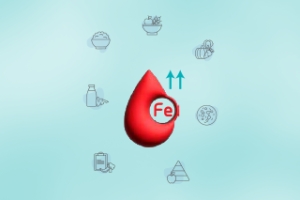
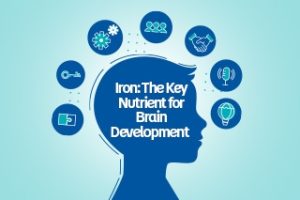
Iron is one of the important trace element found in human body that actively participates in various metabolic pathways, particularly erythropoiesis and neurodevelopmental processes.[1] Being…

Nutrition in preterm infants is important for growth, metabolism and immunity. What are the developmental consequences of poor nutrition? Nutrition is the foundation of the…

A recent statement by WHO 2011 recommends exclusive breastfeeding for the first six months, and continued breastfeeding up to two years and beyond.1 After exclusive…

All preterm neonates are not same. How do we decide on feeding option for the preterm neonate? Feeding option in the preterm neonate is decided…

The first 1000 days of life lay the foundation for infant’s future health. During this critical period, the infant’s gastrointestinal tract and immune system undergoes…

Gut plays a vital role in influencing the overall growth, development, and immunity of an infant. It hosts about 70-80% of the immune cells in…

Last trimester of pregnancy is said to be the most critical phase of intrauterine growth. It is during this period that maximum growth changes are…

Microbial colonization in humans begins at birth and undergoes constant development until 3 years of age till the microbiota becomes adult-like1. Based on the microbial…

The large intestine contains at least 30 identified genera and 500 species of microorganisms, making it the largest human reservoir of microbes. The hosts share a complex…
Breastfeeding and decreased risk of childhood asthma This study objective was to assess the link between breastfeeding and the risk of asthma and asthma severity…

In infancy, gut physiology and function are still developing and maturing. This may cause variable combination of GI signs and symptoms in otherwise healthy individuals…

Understanding factors influencing the Quality of Life (QoL) of people has been a subject of growing interest. A study was conducted to assess the QoL…