
Important Notice
If you are a doctor, dietitian, nurse, pharmacist, then click on I’m a healthcare professional to proceed. For persons other than Health care professionals, we request you to visit www.danone.in.
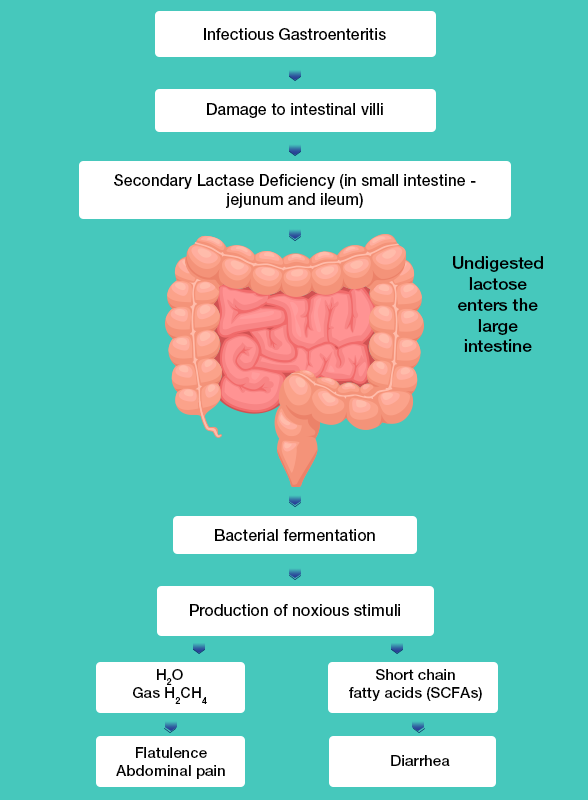
SLI is characterized by the onset of lactose malabsorption in those capable of digesting lactose. Acute viral infection caused by rotavirus can damage lactase-containing epithelial cells on the ends of the intestinal villi causing shortage, as fresh immature enterocytes lack lactase. SLI can worsen infectious gastroenteritis making the intestine vulnerable to damage and extends the duration of diarrhea. SLI is a characterized by gastrointestinal symptoms such as abdominal pain and discomfort, diarrhea, nausea, flatulence and bloating on consumption of lactose or lactose-containing foods.1
Casein exists in milk in the form of a micelle, which is a sizeable colloidal particle. Casein micelle has an ability to coagulate in the stomach on pepsin induced hydrolysis, which makes it very efficient in nutrient supply. Gastric coagulation ensures the transit of the protein through the stomach in a controlled manner and thus resulting in a sustained release of amino acids into the blood, leading to better digestion.
Slow release of amino acids provides better nitrogen retention and utilization by the body. The controlled release of protein into the intestine helps avoid overloading of the digestive capacity of the intestine which is reduced during SLI. Caseins are easily digested in the duodenal phase compared to soy protein. Evidence suggests that digestibility rate is highest for feeds with a higher proportion of caseins and least for soy protein feeds due to the hydrophobic structure of soy.1 Casein helps in SLI caused due to rotavirus by:Lactose-free casein based nutritional feed restores the intestinal lining and benefits infants with secondary lactose intolerance.