
Important Notice
If you are a doctor, dietitian, nurse, pharmacist, then click on I’m a healthcare professional to proceed. For persons other than Health care professionals, we request you to visit www.danone.in.
By - Danone Nutricia academy

Maternal diet, nutritional status during pregnancy, and early offspring diet stimulate subsequent health. In some ways, pediatric nutrition has an easier marker of adequate nutrition than adult nutrition, i.e., growth.1,2 Pediatric nutrition has two primary goals:survival and laying the groundwork for growth and development to optimize health across the lifetime.3 However, pediatric nutrition is more complicated. The caloric requirements fluctuate with age, as do the requirements for specific nutrients.2 This article discusses the early intake of excess nutrients and their aftermath.
Significant dietary changes occur as the newborn grows into a toddler. This is the age range in which adult-like eating habits are formed over time.2
Less fiber consumption and constipation in children
Functional constipation (FC) is a significant health issue and has severe consequences in children. Many places in the world have high prevalence rates of FC. It also imposes a considerable healthcare burden, outnumbering many other prevalent pediatric disorders. Children with constipation had a reduced HRQoL (health-related quality of health).3
It is well understood that dietary factors predispose children to FC. Dietary fiber is at the forefront of this. It is advised that children’s diets contain considerable levels of fiber [age (years) + 5 g/d]. Several studies have convincingly demonstrated a link between low-fiber diets and FC development. Evidence suggests that childhood constipation is a predictor of IBS in adulthood.3
A crucial step is to teach parents and children to have a healthy balanced diet with the required amount of fiber and avoid eating “junk food.” In addition, constipation can be reduced by adopting a healthy diet and engaging in frequent physical activity. According to evidence, prebiotics softens stools, increase stool frequency without diarrhea, and increase the ratio of bifidobacteria to total fecal bacteria.3,4
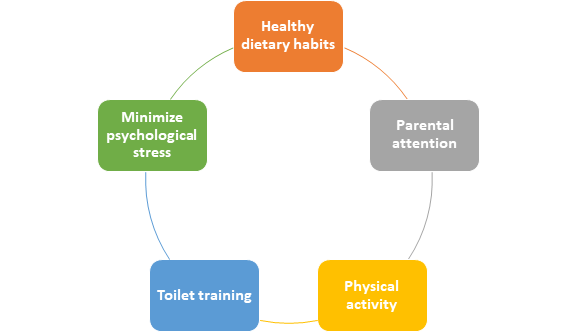
Fig 1: Constipation preventive strategies (Adapted from Rajindranath et al., 2016)
Excess sweet consumption can impact dental health not only in childhood but later in life as well
Excess added sugars, particularly in sugar-sweetened drinks, are a primary cause of dental decay. In addition, four sociodemographic factors influence added sugar consumption- age, race and ethnicity, income, and health insurance status, a proxy for income.5
There are three types of behavioral factors of added sugar consumption: sugar source, parental views and actions, child demand, and associated issues. Parents’ use of sugar-sweetened drinks is highly linked to the consumption of sugar-sweetened beverages by children.5
Collecting and keeping track of added sugar intake should be advised. A routine caries risk assessment should include data on the kid’s source, amount, and frequency of added sugars. Provide health education following professional standards. Sugar-sweetened drinks are a significant source of added sugars in children. Parental preferences and availability of sugar-sweetened drinks are major predictors of kid preferences and ingestion. Dental professionals should deliver 100% fruit juice instruction following the American Academy of Pediatrics standards.5
Nutrition is a vital aspect of growth. Children grow and develop; therefore, their optimal diet varies with age. It is also known that diet is a significant factor in disease prevention, particularly chronic illnesses. Unfortunately, many children do not get good nutrition due to unavoidable circumstances. This contributes to children consuming excess nutrient meals, which negatively impacts a child’s growth and health.
For the use of Healthcare Professionals only. Not for general public.
CVM code – 1654745830076